
The 1099-NEC Threshold Changed in 2026: What Small Businesses Need to Know
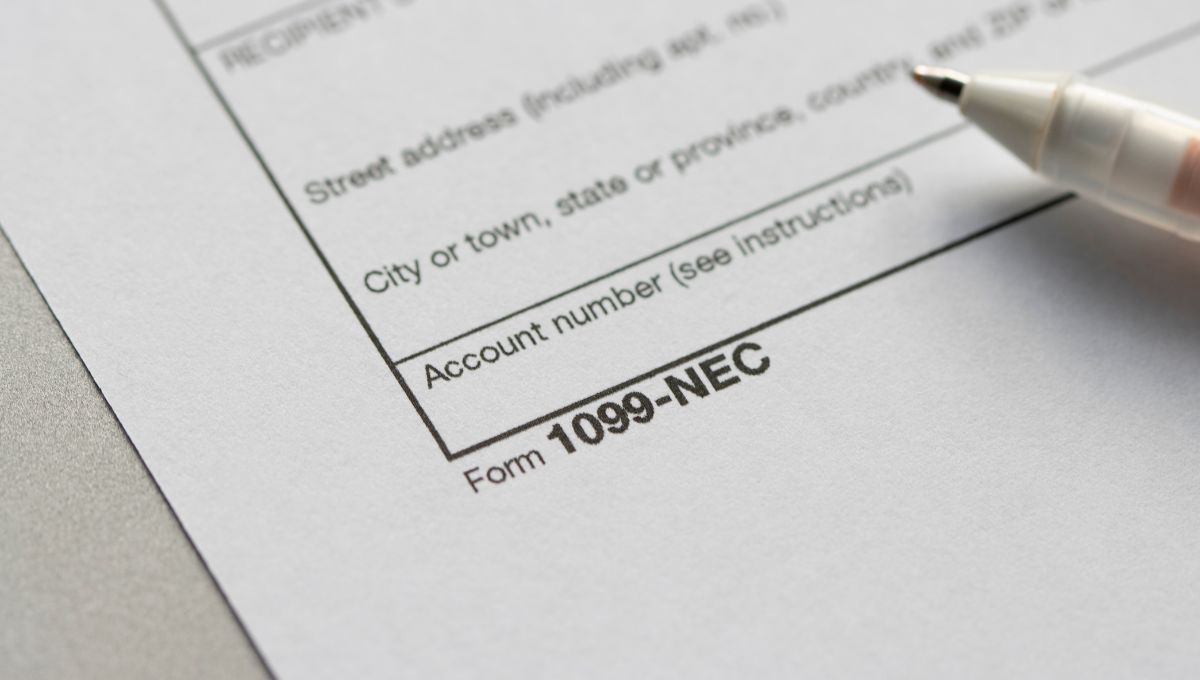
The 1099-NEC threshold changed for payments made in 2026. If your small business hires independent contractors, this article tells you what you need to know about it.
For 2026, if your business pays an independent contractor $2,000 or more for services during the year, you will need to issue a Form 1099-NEC. Last year’s threshold was only $600.
Before we get into the details, I want to be sure you understand this new threshold doesn’t mean everything up to that two grand is tax-free. It’s about paperwork and reporting, not a “get-out-of-tax-free” card.
What is the 1099-NEC threshold for 2026?
The new 1099-NEC threshold of $2,000 applies to anyone your business paid for services performed as an outside contractor. Common examples include a freelance designer, business consultant, photographer, or a bookkeeper like me.
There are exceptions. For example, backup withholding can trigger a filing requirement regardless of the amount. If you’re unsure whether you need to report a specific payment, ask your accountant or tax professional.
Does income under $2,000 still have to be reported?
Yes. The $2,000 threshold deals with you, the small business owner, who is responsible for filing the 1099-NEC form. It’s not about whether the person being paid has to report that as taxable income. That’s their responsibility.
Here’s an example from my world. Let’s say you paid me, your part-time bookkeeper, $1,500 to help you get your books ready for your accountant this year. Generally, you wouldn’t have to issue a 1099-NEC if that’s all you paid me. The total falls below the threshold of $2,000 dollars. However, I would need to report those fees as taxable income.
I’m being super clear about this because I can imagine one of your contractors thinking, “Great, anything under $2,000 doesn’t count.” It still counts.
Since they may rely on the forms they get each January as a trigger to report that income, you might want to send a letter or email letting them know you don’t have to send a form this year and why.
Does the business need to track payments under $2,000?
Absolutely. Trust your local bookkeeper and keep tracking contractor payments the same way you always have.
You track all payments to know if or when your contractor crosses the 1099-NEC threshold by the end of the year. A contractor you pay $400 in February may work with you again in August. Those two jobs could push them over the top.
What should I collect from an independent contractor?
Get a completed Form W-9 from every independent contractor when you hire them. If they don’t have one at the ready, that tells you something about their experience and professionalism.
Don’t spend January chasing that information down through emails and phone calls. Get that paperwork on file when the relationship begins. That way, if a contractor crosses the 1099-NEC threshold later in the year, you already have their legal name and tax ID ready to go.
If you already work with contractors, this is a good time to check that you have current W-9s and that their information matches what you have in QuickBooks.
What should I check in QuickBooks before 1099 season?
This is a good place to involve your bookkeeper and tax professional if something doesn’t look right.
If you’re handling the books yourself, make sure you’ve recorded each contractor payment and assigned it to the right vendor.
Then review how everyone got paid. If you paid through certain credit cards or third-party payment networks, those payments can fall under different reporting rules. Ask your bookkeeper if you’re unsure how to classify them.
What does the new 1099 rule mean for my bookkeeping?
For most small business owners, the answer is simple: keep good records.
No matter the threshold, you still need to know who you paid, how much they received, and whether anything needs a closer look before tax time.
If you have questions about these changes or are exploring working with a bookkeeper for your small business, contact me, and we can find a time to talk about your small business.
Note: This blog article is for informational purposes only and should not be considered legal, financial, or tax advice. Please consult a qualified professional for personalized advice tailored to your business needs.